How to read this report: This article is an editorial analysis of publicly documented sources, not an endorsement of any betting product. Named persons are not affiliated with this publication. The byline is a disclosed editorial pseudonym.
A celebrity endorsement that never happened
Martin Lewis is one of the best-documented British examples of a public figure whose face and name were used in advertisements without his approval. In 2018, Lewis launched legal action against Facebook over misleading promotions that purported to carry his endorsement.
These particular high-profile Lewis cases chiefly concerned financial and investment schemes, not a verified casino partnership. The distinction is important. The relevance to gambling advertising is the repeated technique: a recognisable person is placed beside a supposedly profitable product to make an unfamiliar destination seem credible.
What changed in 2019
In January 2019, Lewis ended his lawsuit after Facebook agreed to further measures against scam advertising, including support for anti-scam initiatives. The Guardian reported the agreement at the time. It was an important public acknowledgement of the problem, not proof that impersonation campaigns had disappeared.
By 2026, Lewis was still discussing the personal and consumer harm caused by false use of his identity. Advertisements can be replaced, but the public association they create may persist. Some viewers remember the prominent face, not the later correction.
The reputation problem
A fake endorsement may create two kinds of harm. The person pictured may have to explain repeatedly that they were never involved, while consumers can be misled into disclosing their information or transferring money. A highly realistic video is not a reliable statement of consent.
The UK's Advertising Standards Authority said its 2025 scam-ad monitoring identified celebrity impersonations and increasing use of AI-produced media. Some campaigns featured fabricated news pages or videos. These techniques can also appear around casino-themed offers, as separate investigations have documented.
A practical editorial rule
When an advert says a celebrity backs a product, find an independently verifiable interview, statement or official partnership announcement. If none exists, do not repeat the endorsement as fact. If a website is merely styled to resemble a news outlet, it is still a promotional page until its reporting can be checked.
Creative examples from published investigations
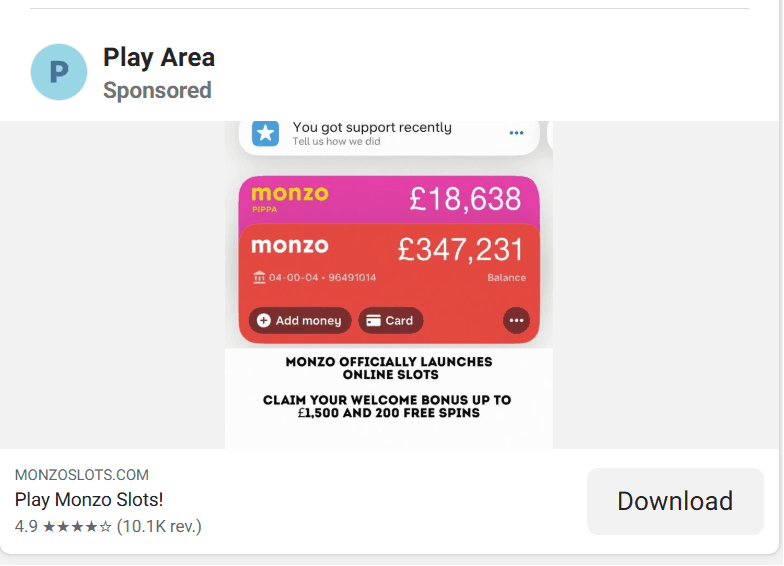
Historical screenshots reproduced via independent reporting sources. None of the pictured promotional promises has been verified as genuine.
Read beyond the viral clip.Independent reporting on game trends, misleading claims and UK rules — in your inbox, with no casino sign-up links.
Join the editorial email list →